


Ingredient List and Allergens
Ingredient List and Allergens
Banana Bread
Soy protein, rice protein, pea protein, aroma, coconut milk powder (coconut milk, maltodextrin), leucine powder (L-leucine, sunflower lecithin), banana powder, thickener (guar gum), cinnamon, sweetener (steviol glycosides from stevia).
Produced in a facility that also handles cereals containing gluten, eggs, soy, milk (lactose) and lupin.
Suggested Use
Suggested Use
As a protein shake: mix one serving (30 g, 2 heaped tablespoons) with 300 ml of oat, soy or any other milk. The banana bread flavour comes through best with milk rather than water. The easiest way is to mix it in a shaker.
Banana Bread also works really well in baking, like banana pancakes, muffins and baked oats, as well as in smoothies and overnight oats.
Nutritional Information
Nutritional Information
22 g protein per serving | 112 kcal per serving | 2.5 g leucine per serving | 4.5 g BCAAs per serving
Nutritional Value (per 100g): Energy: 1583 kJ, Calories (kcal): 374, Fat: 4.5 g - of which saturates: 1.7 g, Carbohydrates: 8.4 g - of which sugars: 4.7 g, Dietary fibre: 3.8 g, Protein: 73.1 g, Salt: 1.49 g.
Nutritional Value (per 30g serving): Energy: 475 kJ, Calories (kcal): 112, Fat: 1.3 g - of which saturates: 0.5 g, Carbohydrates: 2.5 g - of which sugars: 1.4 g, Dietary fibre: 1.2 g, Protein: 21.9 g, Salt: 0.45 g.
Amino Acids
Amino Acids
Per 30 g serving: 8.8 g essential amino acids, 4.5 g BCAAs, 2.5 g leucine.
Amino Acids (per 100 g protein): L-isoleucine*: 4.1 g, L-leucine*: 11.3 g, L-lysine*: 5.3 g, L-methionine*: 2.0 g, L-phenylalanine*: 5.1 g, L-threonine*: 3.3 g, L-tryptophan*: 1.4 g, L-valine*: 5.3 g, L-histidine*: 2.6 g, L-arginine: 7.8 g, L-tyrosine: 3.4 g, L-cysteine: 2.9 g, L-alanine: 4.7 g, L-asparagine/aspartic acid: 10.1 g, L-glutamine/glutamic acid: 18.3 g, Glycine: 4.3 g, L-proline: 4.7 g, L-serine: 4.3 g.
Amino Acids (per 100 g protein powder): L-isoleucine*: 3.0 g, L-leucine*: 8.3 g, L-lysine*: 3.9 g, L-methionine*: 1.5 g, L-phenylalanine*: 3.7 g, L-threonine*: 2.4 g, L-tryptophan*: 1.0 g, L-valine*: 3.9 g, L-histidine*: 1.9 g, L-arginine: 5.7 g, L-tyrosine: 2.5 g, L-cysteine: 2.1 g, L-alanine: 3.4 g, L-asparagine/aspartic acid: 7.4 g, L-glutamine/glutamic acid: 13.4 g, Glycine: 3.1 g, L-proline: 3.4 g, L-serine: 3.1 g.
Amino Acids (per 30 g serving): L-isoleucine*: 0.90 g, L-leucine*: 2.47 g, L-lysine*: 1.16 g, L-methionine*: 0.44 g, L-phenylalanine*: 1.12 g, L-threonine*: 0.72 g, L-tryptophan*: 0.31 g, L-valine*: 1.16 g, L-histidine*: 0.57 g, L-arginine: 1.71 g, L-tyrosine: 0.74 g, L-cysteine: 0.64 g, L-alanine: 1.03 g, L-asparagine/aspartic acid: 2.21 g, L-glutamine/glutamic acid: 4.01 g, Glycine: 0.94 g, L-proline: 1.03 g, L-serine: 0.94 g.
* essential amino acid. Values per 100 g protein powder and per serving are calculated from the protein content (73.1 g protein per 100 g; 21.9 g protein per 30 g serving).
Why WAM Protein?
Most vegan protein powders taste artificial, clump in the shaker or feel gritty. We made WAM to fix that. It's sweetened with a small amount of stevia instead of sucralose, tastes balanced rather than sugary, and mixes smooth and creamy thanks to coconut milk powder.
Each 30 g serving provides 21–23 g of protein, and protein contributes to the growth and maintenance of muscle mass. WAM was developed by a PhD chemist and sports nutritionist for anyone who wants a dairy-free protein that fits easily into everyday life.
Created in Spain, made in Germany. No plastic scoop in the bag.


A
I don't have to tell many of you how difficult it is to find a protein powder that's clean but also that has no sweeteners that mess up your health (a.k.a. sucralose, maltitol, and all that stuff). So when I found this protein, I was over the moon. I wasn't sure what to expect since it was very new but I had a few friends from the CrossFit community talk about it and highly recommended it.
I ordered the sample pack and as soon as I tried the first individual bag I went ahead and ordered 2 (one of each flavour). I also got the opportunity to meet Anna (we live in the same city) and I love where her values are at. We talked a lot about the importance of strength training and high-protein diet and how she's not only creating a protein brand but a brand that empowers and supports women.
If you have reached to this point of the review you probably know I'm highly recommending this protein. The taste is incredible, however, if you are looking for artificial/candy tasting protein this is not for you. The taste is soft, natural and delicious but not overpowering, just perfect!
Y
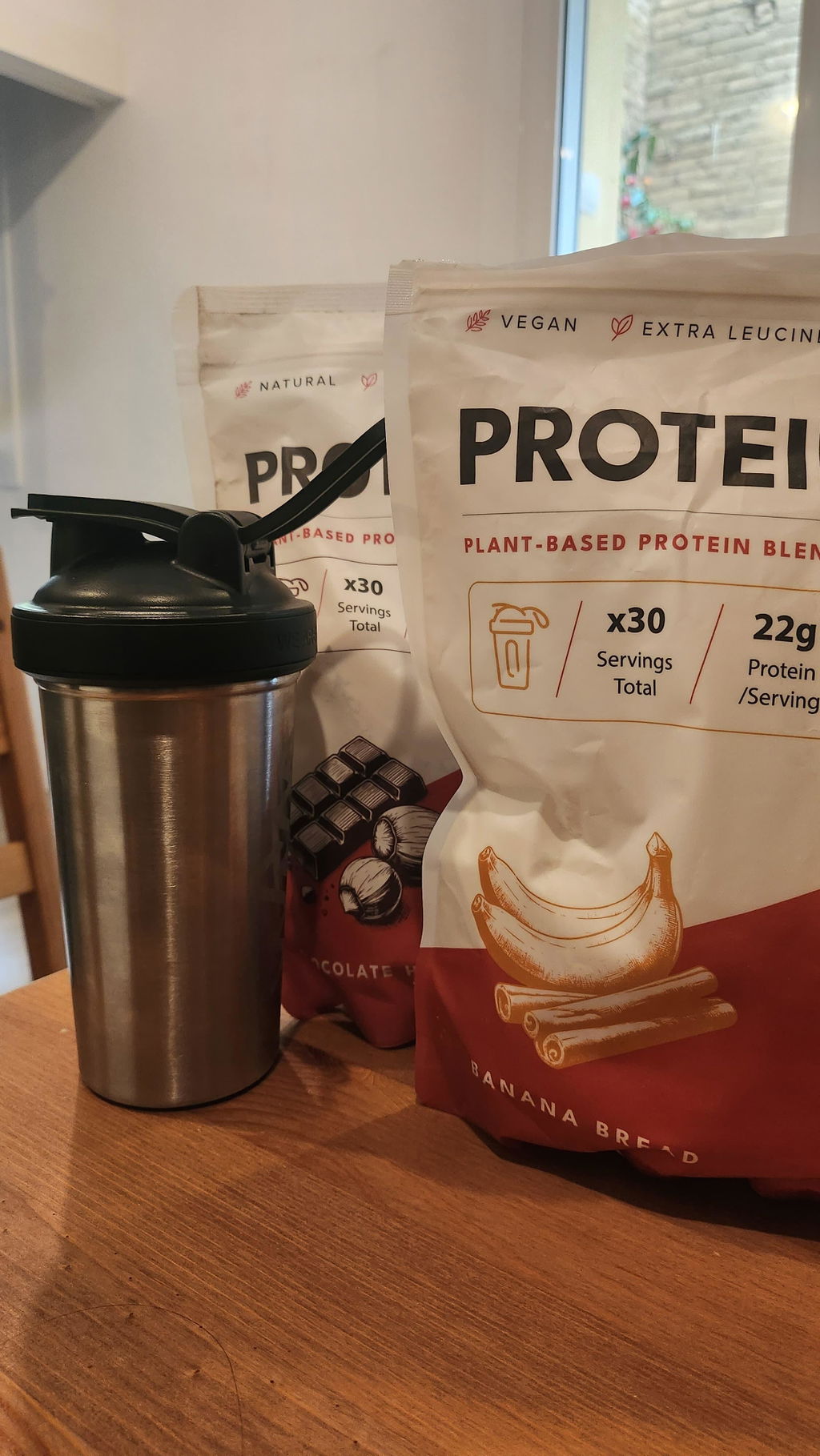
Delicious, I was looking for a protein that was tasty, not too over bearing and didn't give me a stomache aches. This was it! I enjoyed it so much I actually finished the bag, which I've never managed to do before with other protien shakes!
V
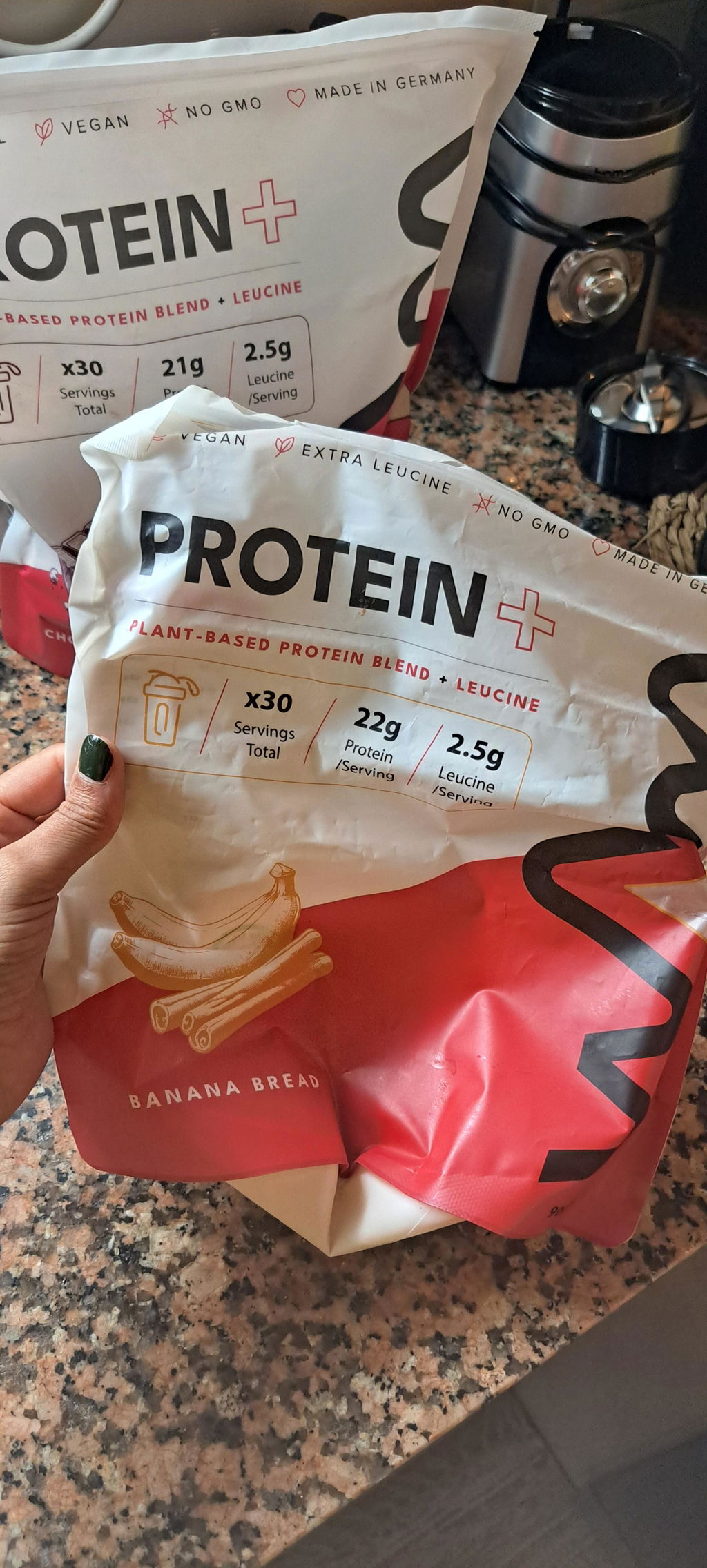
Selten so ein gutes (veganes) Proteinpulver gehabt!
Das Produkt hat mich in jeder Hinsicht zu 100% überzeugt; ich weiß gar nicht, wo ich anfangen soll:
In Deutschland hergestellt, die Qualität besticht.
Geschmacklich ist es echt auch ein Highlight, weil nicht so eklig und künstlich süß wie viele andere Pulver - und überhaupt werden auch keine gängigen Süßstoffe wie Sucralose o.ä. verwendet, sehr sympathisch.
Außerdem ist Banana Bread eine Sorte, die man nicht an jeder Ecke bekommt! Ansonsten ist die Zusammensetzung und das Aminosäurenprofils absolut überzeugend. Es ist richtig gut zu sehen, dass man sich hier Gedanken gemacht hat um ein wirklich hochwertiges Produkt auf den Markt zu bringen.
Zu alledem ist das Proteinpulver im Vergleich zu vielen anderen auch sehr gut verdaulich - auch nicht zu vernachlässigen ;-)
Von daher würde bzw. werde ich das Produkt jederzeit wieder kaufen und kann es nur wärmstens und uneingeschränkt weiterempfehlen!
Das Preis-Leistungs-Verhältnis ist nämlich absolut unschlagbar.
A
Ich war erst echt skeptisch, ob mir ein Veganes Proteinpulver schmecken wird und ob es sich gut genug auflösen wird.
Aber ich bin total hin und weg. 🤩
Es löst sich perfekt in meinen Shakes und Bowls auf!
Ich mag total, dass es nicht so extrem süß ist und auch nicht künstlich schmeckt.
So kann ich es nach meinem Geschmack nachsüssen falls ich Lust drauf hab.
Das Bananen Aroma ist ebenfalls angenehm dezent!
Ich freu mich schon wenn es irgendwann mehr Geschmacksrichtungen gibt.
Auch das Konzept, dass es endlich mal ein Proteinpulver für Frauen gibt, dessen Ziel es nicht ist, dass wir abnehmen sollen, sondern dass unsere Gesundheit und Stärke im Vordergrund steht ist einfach großartig! 🫶
E
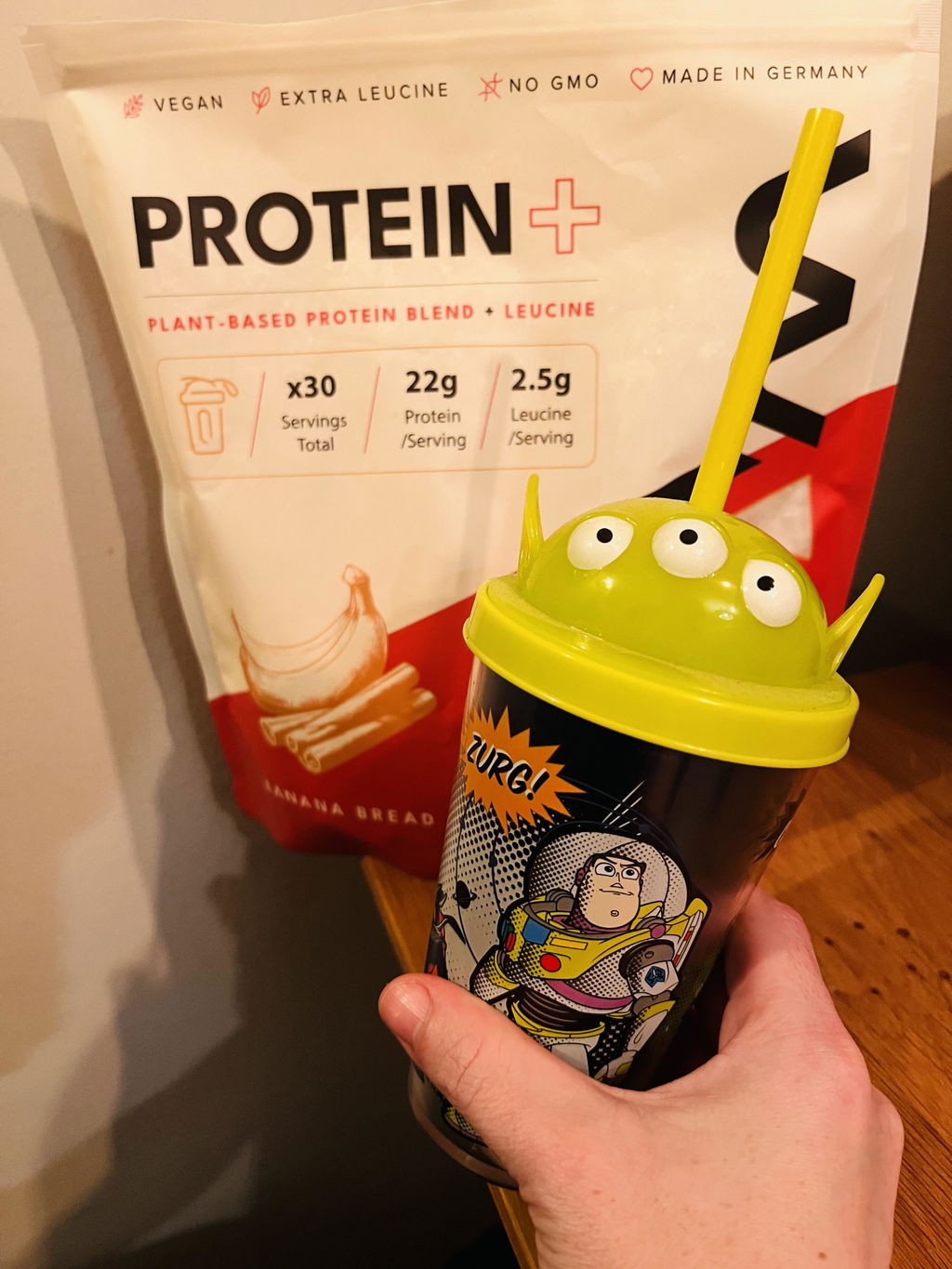
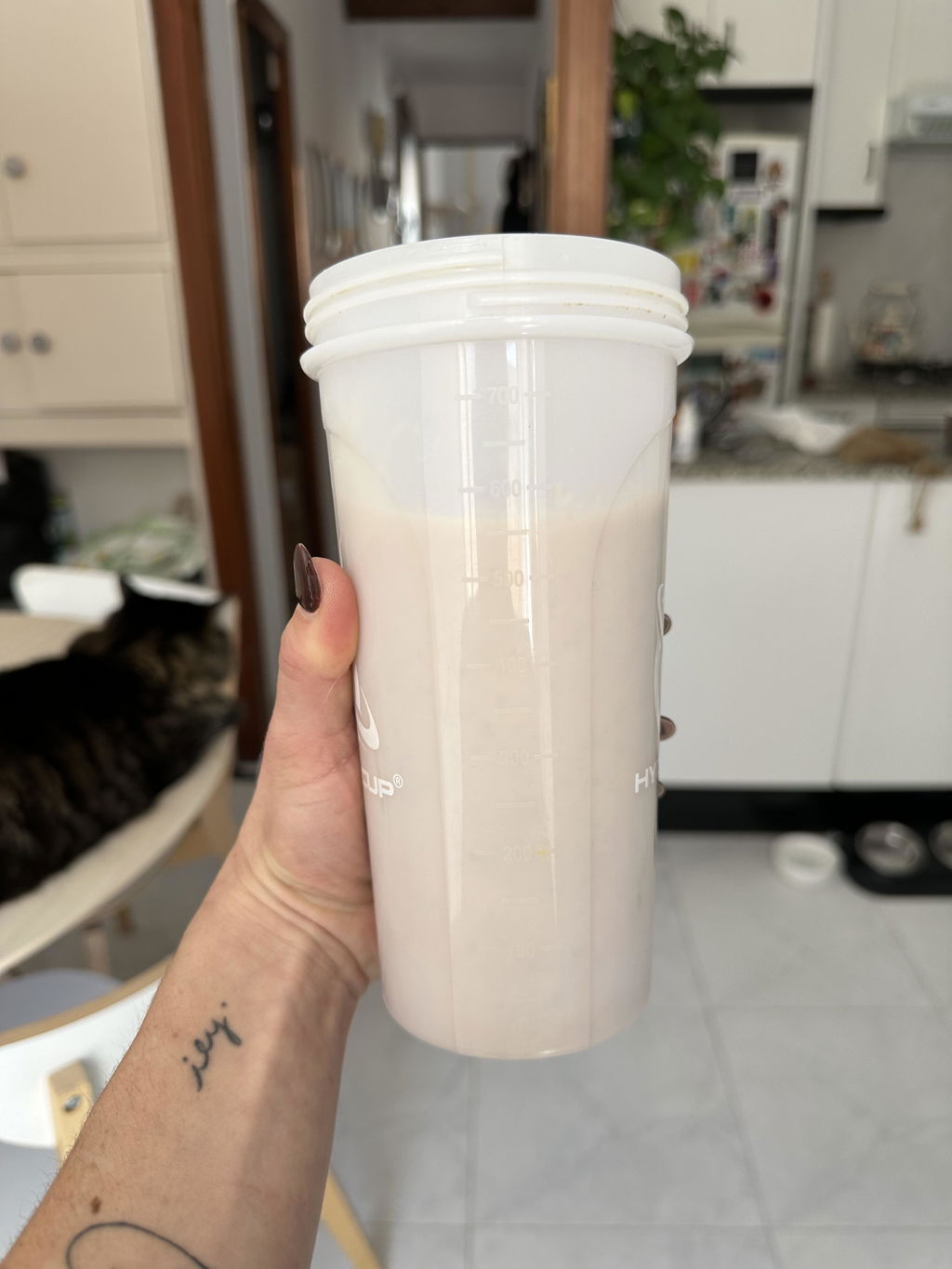
I am obsessed with this protein. I have to admit, I was skeptical about the banana bread flavor because I normally hate artificial banana flavor. But wow was I surprised! It’s delicious in a simple blend of banana and soy milk, as well as in a more robust mix of fruit, peanut butter, other nuts, etc. I love that it’s cruelty free (vegan) and has added leucine as well. Will be ordering more very soon !
S
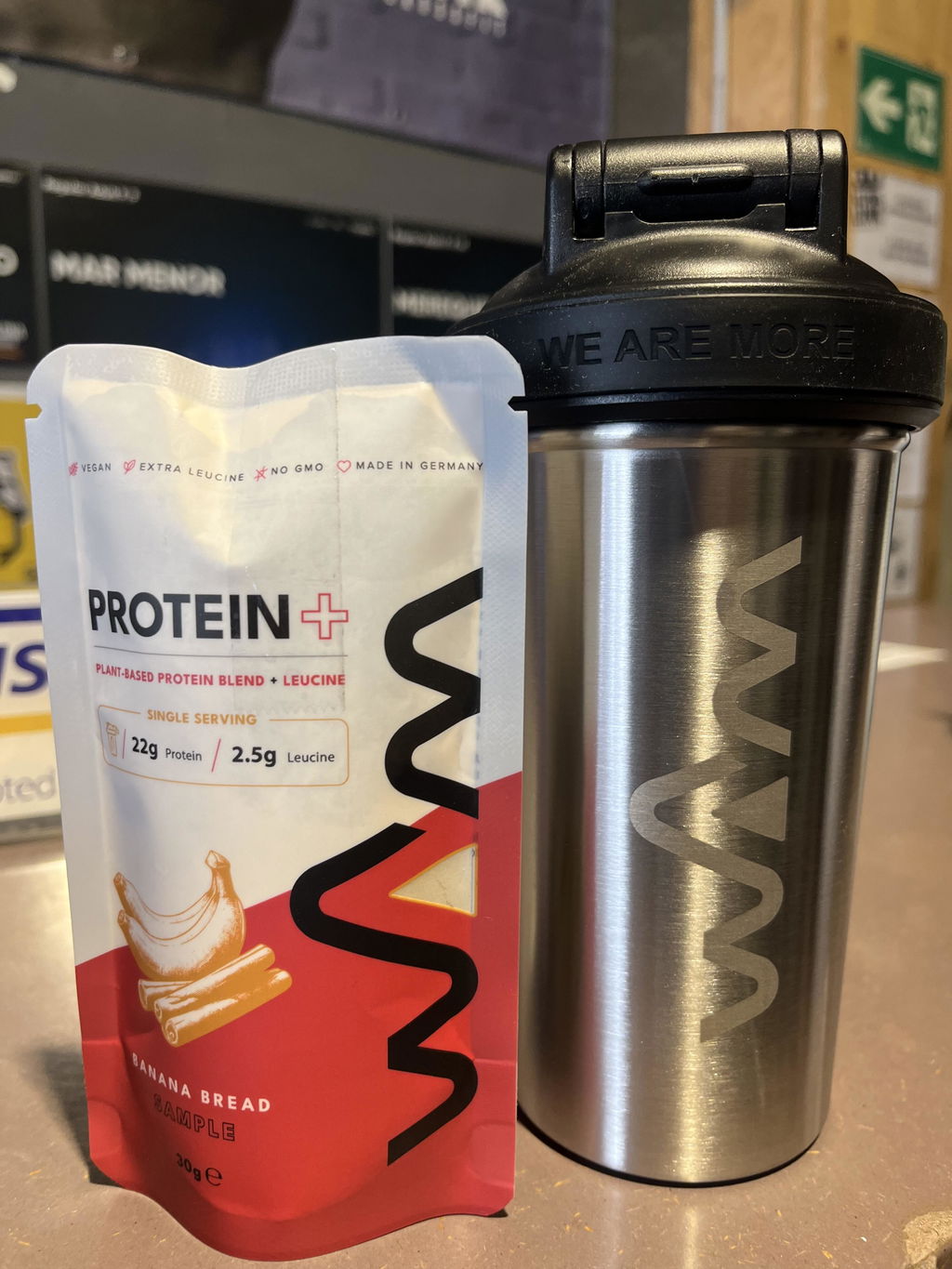
Esta proteína es una opción deliciosa y nutritiva no solo para aquellos que buscan una alternativa vegetal. Su combinación de sabores es rica y original, y su textura suave la hace perfecta tanto para batidos como para complemento en recetas. Además, sus ingredientes naturales la convierte en una opción saludable y sostenible. ¡la recomiendo 100%!
P
Top taste and well soluble
Hi Patricia! Love to hear you enjoy the Banana Bread Protein :). Thanks for your kind review! Anna
K
I love this flavor! It goes so well in my morning yogurt or porridge or just as a quick 2Go shake on my way to work. The texture is the best I tried so far among vegan protein products. Also no too sweet. Can totally recommend
Hi Kim! I'm so happy to hear you love the Banana Bread flavor and that it's working so well with your daily routine. Thanks for the wonderful recommendation! Anna
J
Great protein, as a shake or mixed into recipes. Delicious, no bloating, easy to digest.
Hi James, love to hear you enjoy the Banana Bread protein :)! Thanks for sharing your experience and for choosing WAM. Anna
D
Best protein powder I ever had. The taste is great, no clumps and my stomach digests it just fine! :)
Hi Daniel, thank you so much for your kind words! I'm so happy to hear you enjoy the Banana Bread protein powder :) Hope I can add another fruit-y flavour to the lineup soon! Anna
N
Delicious! Not too sweet, but still maintaining that perfect banana flavour :)
Hi Natalie, I'm so glad you enjoyed the Banana Bread :)! Thanks for your lovely review. Anna
V
It more banana than banana braed, but its nuce to use with bananas in about bowl
Hi Verena, thank you for your feedback! I'm sorry that the flavour isn't quite as you expected, but glad to hear you find it delicious in your bowls. If you have any suggestions for improvement, just reach out to me via email :) Anna
F
It literally tastes just like banana bread, with just the right amount of sweetness and a perfect texture. Loved it, finally, a vegan protein that actually tastes good.
C
I bought a bag of the Banana Bread protein back when there were only Banana Bread and Chocolate Hazelnut released by WAM. I was sad that they didn't have other options but I really wanted to support the brand and I liked the idea of Sucralose free protein powder so I gave it a try. And what shall I say - the Banana Bread flavour is my favourite for smoothies! Natural taste, not too sweet, just perfect. I'm so happy I bought another bag before it sold out and I hope it will be in stock again soon.
S
The Banana Bread is the perfect addition to my breakfast or smoothie!
Generally these powders are exactly what I’d been desperately searching for as a plant-based eater! Finally a protein powder that skips the junk and keeps only the good stuff. The ingredients are clean, the flavours are spot on (not too sweet), and the texture is beautifully creamy. It’s super versatile and I honestly love all the flavours!
S
This protein has been my go to for mixing in my oat breakfast for months now…I cannot get enough of it! It mixes really well and the flavor isn’t overpowering, truly feels like I get to eat dessert for breakfast every morning!
M
If you like banana, this is your flavour. It makes for creamy and dense smoothies. It tastes just like banana, no added sweetness or artificial flavours. Personally, I'm not the biggest fan of banana in general, but I tried this one and I loved it. It's a very original flavour.
C
Beide Sorten schmecken lecker und nicht zu süß, klumpen nicht und sind gut verdaulich! Ich mag sie sehr und bin begeistert!
L
Amazing vegan protein! I had tried the banana bread flavor and it's incredible how good the flavor is. The best tasted vegan protein so far.
E
Love having a tasty vegan protein powder in my life! No lumps, smooth taste, good, natural flavor. Can’t wait to try more tastes!
S
I was very on the fence with this flavor since I hate cinnamon with passion (I guess it's my cilantro), can't even stand the smell. But I tried this flavor and I didn't taste or smell cinnamon at all. It's just a nice, subtile and natural Banana/baked goods taste that isn't in-your-face at all. So if you're not sure about this rather untypical flavor, give it a try! It's worth it.
S
I am a sucker for banana bread, and now also for banana bread protein powder! Whatever fruit-flavored protein powder I've tried so far (be it banana, strawberry, blueberry-muffin...) tasted awfully artificial. But that is not at all the case here, WAM banana bread is just perfect. I put it in all my yogurt and oat bowls, or simply drink it as a shake. Not to sweet, great taste (intensity) and texture, good macros and amino-acid profile, vegan. What's not to love?
E
Cleanest and more delicious tasting vegan protein I've ever had!! So smooth and incredible mix of protein can't get enough 😍
M
I really really like it! super smooth and i really like the taste, it's not overpowering. As part of a breakfast bowl this is the perfect protein! :))
I would strongly recommend WAM to anyone!
M
He probado muchas proteinas y es la única que no me hincha en absoluto, siendo un plus porque las me quitaban el hambre por completo y mi dieta no era equilibrada. Además, su mezcla en yogurths o en Shakes es brutal.
I
I usually have a late breakfast at work and WAM is helping me not only to have a more complete meal, but to not feel hungry for a longer time. It is the perfect complement for a super healthy, tasty and satiating meal.
M
Finally got my hands on a *vegan* protein powder that tastes good! I'm not a protein drink kinda gal, but I like to add it into my pancakes, and it mixes really well. No clumps. Nice taste. Honestly super pleased with this.
About Banana Bread
Banana Bread tastes like a banana bread shake: banana with a hint of cinnamon, creamy and not too sweet, and nothing like artificial candy banana. Mix it with oat, soy or any other milk, which brings out the flavour best. It's also made for baking: banana pancakes, muffins and baked oats get extra protein and a banana bread note without any extra effort. In smoothies and overnight oats it pairs well with fruit, nut butter and oats.
Prefer something more neutral? Try Pure Vanilla. Love cocoa? Chocolate Hazelnut has rich dark cocoa and hazelnut notes, and Iced Coffee is a creamy, decaf latte-style flavour. Can't decide? The Sample Pack has all four.


Vegan Protein Without Compromise
WAM is 100% vegan: no whey, casein or any other dairy. The protein comes from three plant sources, soy, pea and rice, combined so they balance each other out. Pea protein is low in methionine, rice protein is low in lysine, and soy adds a complete amino acid profile on top. Together they cover all nine essential amino acids in good amounts.
Coconut milk powder and a little guar gum give it a creamy texture and help it dissolve without clumps.


Stevia Instead of Sucralose Sweetener
WAM contains no artificial sweeteners such as sucralose, aspartame or acesulfame K. Instead, a small amount of stevia rounds off the flavour. We kept the sweetness deliberately low, so the shake tastes balanced and you can always sweeten it further if you like.
No sucralose also makes WAM a good choice for baking: Germany's Federal Institute for Risk Assessment (BfR) advises against heating sucralose above about 120 °C.


Amino Acids and Leucine
Each 30 g serving of Banana Bread provides 21.9 g of protein with all nine essential amino acids: 8.8 g essential amino acids in total, including 4.5 g BCAAs and 2.5 g leucine. Plant proteins usually contain less leucine than whey, so we add extra L-leucine to bring WAM in line with a typical whey shake. Protein contributes to the growth and maintenance of muscle mass.


Vegan Protein Made in Germany
WAM and its packaging are both made in Germany, and the powder is produced in an IFS Food-certified facility. Every raw material comes with a supplier batch certificate, and selected batches of the finished product are tested for heavy metals by Eurofins, an independent lab. You can read the reports on our Heavy Metals & Testing page.
The flat pouch takes up less space in transport than a rigid tub, there's no single-use plastic scoop inside, and every bag funds the collection of 250 g of ocean-bound plastic through CleanHub.


We Are More
Our products are made to help you fuel up, build strength, and live a healthier, more empowered life. But we’re more than just protein powder. We’re here to challenge outdated stereotypes about who fitness, nutrition, and strength are “for”. Our mission - supported by athletes, coaches and health advocates - is to create a more inclusive fitness world, where underrepresented voices can take up space.


Is WAM protein 100% vegan?
Is WAM protein 100% vegan?
Yes — every WAM product is 100% vegan and plant-based, no exceptions. It's not just a product spec either: WAM was founded by a vegan PhD chemist who built the brand specifically to make a vegan protein that doesn't taste like a compromise.
What does WAM protein taste like?
What does WAM protein taste like?
Balanced, not overpowering. We kept the flavour light rather than intense, so it's something you look forward to rather than push through — and it means it blends into recipes instead of dominating them.
Does WAM protein mix well?
Does WAM protein mix well?
Yes — smooth in a shaker or blender, no chalky texture, no clumping. It's consistently one of the first things people mention in reviews.
Is WAM protein very sweet?
Is WAM protein very sweet?
No, deliberately. It's lightly sweetened with a small amount of stevia rather than stacked with intense sweeteners, so it doesn't have that syrupy, artificial-sweetener aftertaste.
Can I bake or cook with WAM protein?
Can I bake or cook with WAM protein?
Yes — it works well in recipes, not just shakes (think protein pancakes, muffins, baked oats). Two reasons: the flavour is balanced rather than intense, so it folds into a recipe instead of taking over; and WAM contains no sucralose. That matters specifically for baking — Germany's Federal Institute for Risk Assessment (BfR) has flagged that heating sucralose above roughly 120°C, well within normal baking and roasting temperatures, can generate chlorinated by-products, and recommends against heating foods that contain it.
Is WAM protein good for building muscle?
Is WAM protein good for building muscle?
Yes! WAM provides 21–23 g of protein per 30 g serving, depending on the flavour, and protein contributes to the growth and maintenance of muscle mass. Each serving also contains 2.5 g of leucine and 4.5–4.7 g of BCAAs, which puts its amino acid profile in the same range as a typical whey shake. Combined with regular strength training and enough protein across the day, it's an easy way to reach your protein target.
How does WAM protein compare to whey?
How does WAM protein compare to whey?
Gram for gram, close: 21–23 g protein and 2.5 g leucine per 30 g serving, in the same range as whey, but without dairy. It's blended from soy, pea and rice protein so their amino acid profiles complement each other, giving all nine essential amino acids, so going dairy-free isn't a trade-off.
Is WAM protein gluten-free?
Is WAM protein gluten-free?
WAM protein is not certified gluten-free (yet). None of the ingredients themselves contain gluten, but it's produced in a facility that also handles cereals containing gluten (as well as eggs, soy, milk, and lupin), so cross-contamination is possible. If you have coeliac disease or a diagnosed gluten allergy, don't treat this as a gluten-free product.
Why does WAM use soy protein?
Why does WAM use soy protein?
Soy is one of the few plant proteins that's "complete" on its own, with a full amino acid profile comparable to whey. The worry usually comes from soy's isoflavones (phytoestrogens) and concerns about hormone effects; large human studies have never supported that at normal dietary intake. We use it, alongside pea and rice protein, specifically to round out WAM's amino acid profile without needing dairy.
Why is guar gum in the ingredients?
Why is guar gum in the ingredients?
Guar gum is a plant-derived thickener (fibre from guar beans) used in a small amount to give the shake a smooth, non-gritty texture. It's a common, natural, well-studied food ingredient. At the low levels used in WAM protein, its main effect is texture, not digestion. (Like any fibre-rich ingredient, very sensitive stomachs can react to large amounts, but that's not the dose in a single shake.)
Does WAM protein contain added sugar? Is it sugar-free?
Does WAM protein contain added sugar? Is it sugar-free?
WAM is sweetened only with a small amount of stevia. There is no sugar or syrup in the ingredient list and no artificial sweeteners such as sucralose, aspartame or acesulfame K. It isn't sugar-free, though: small amounts of naturally occurring sugars come from ingredients like coconut milk powder, and from banana powder in Banana Bread. The nutrition panel of each flavour shows the exact amount per serving.
Why does WAM protein contain maltodextrin?
Why does WAM protein contain maltodextrin?
Maltodextrin isn't added as a separate carb-, performance- or filler-ingredient in WAM protein. It's a sub-ingredient of the coconut milk powder (used in the spray-drying process to encapsulate fat), and EU rules require it listed in brackets, even though many brands skip that. Maltodextrin is worth knowing about at high doses if you manage blood sugar or IBD, but only very minor levels are present in WAM protein.
Is WAM protein tested for heavy metals?
Is WAM protein tested for heavy metals?
Yes. Every raw material comes with a batch certificate from the supplier, our manufacturer re-tests incoming ingredients, and selected batches of the finished product are also tested by Eurofins, an independent accredited laboratory. In all reports so far, covering at least one batch of every flavour, lead, cadmium, mercury and arsenic were below the lab's limit of quantification. You can download the full reports on our Heavy Metals & Testing page.
